
On this page
- Self-storage locker vs. storage-in-transit: which do you actually need?
- What size storage unit do I need for a move?
- How much does storage cost in Canada?
- Do I need a climate-controlled unit?
- How do we keep goods dry in an unheated Canadian warehouse?
- What should you never put in storage?
- Security, access, and insurance: what to check before you sign
Quick answer: To choose the right storage for a move, first decide between two very different things: renting a self-storage locker you load and access yourself, or handing your goods to your mover for warehouse storage-in-transit. Then match the size to your inventory, add climate control if you are storing wood, electronics, or documents through a Canadian winter, and budget roughly $140–$470/month for a 10×10 self-storage unit in most provinces. For a gap of a few days to a few weeks between move-out and move-in, storage-in-transit with your long-distance mover is usually cheaper and safer than renting your own unit.
I am Mete Kalfa, director of MTS Moving & Storage and a second-generation long-distance mover based in Mississauga. Storage is one of the most misunderstood parts of a long-distance move, mostly because “storage” gets used for two things that behave completely differently. Get the distinction right and the size, cost, and climate-control decisions fall into place quickly.
Self-storage locker vs. storage-in-transit: which do you actually need?
Most storage articles quietly assume you want to drive to a facility, rent a unit, and load it yourself. For a lot of moves that is the wrong tool.
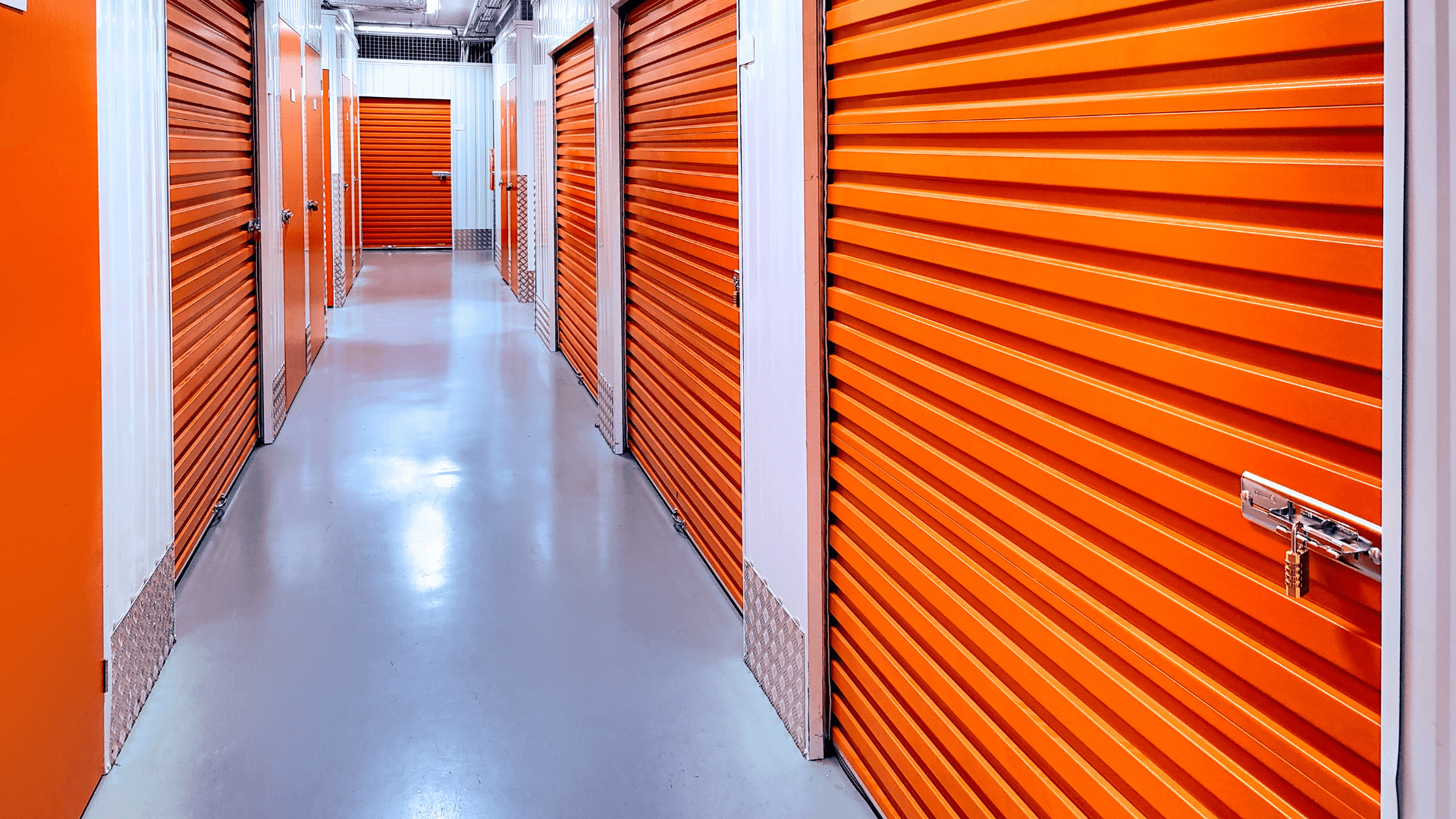
- Self-storage locker. You rent a unit by the month, you get a key or code, and you are responsible for loading, stacking, and access. Good when you need long-term storage on your own schedule, want frequent access to your things, or are storing between two local addresses.
- Storage-in-transit (SIT). Your mover loads your household goods, inventories and pads them, and holds them in a warehouse — usually in wooden vaults or on shrink-wrapped pallets — until your new place is ready, then delivers. Good when there is a gap between your move-out and move-in dates on a long-distance move, and you do not need to touch anything in the meantime.
On a cross-country move, storage-in-transit is almost always the better fit for a short gap. Your goods are already inventoried and wrapped from the truck, so they go straight into a sealed vault rather than being double-handled into a locker you rented separately. At MTS we run storage-in-transit as a standard part of interprovincial moves, which is why a slipped closing date rarely becomes a crisis for our customers.
What size storage unit do I need for a move?
If you do go the self-storage route, size is the first cost lever. Under-book and you leave things behind; over-book and you pay every month for empty air. As a rough guide:
- Typical fit
- A few boxes, seasonal items, or a single room’s worth of small belongings
- Typical fit
- Contents of a one-bedroom apartment, or a mattress set and several boxes
- Typical fit
- Contents of a two-bedroom home, including furniture and appliances
- Typical fit
- Contents of a three-bedroom home
- Typical fit
- Contents of a three- to four-bedroom home, including large furniture
One practical tip from loading these units all day: measure by cubic feet, not floor area. A 10×10 unit with 8-foot ceilings holds far more than most people expect if you stack properly, so you can often drop a size by going vertical with sturdy, evenly sized boxes.
How much does storage cost in Canada?
Self-storage is priced monthly and varies a lot by province and city — Vancouver and Toronto run well above the Prairies. These are provincial average ranges from Public Storage Canada’s cost data:
- Alberta
- $87–$149
- British Columbia
- $104–$243
- Ontario
- $44–$275
- Quebec
- $74–$209
- Alberta
- $110–$227
- British Columbia
- $131–$389
- Ontario
- $62–$340
- Quebec
- $104–$285
- Alberta
- $180–$347
- British Columbia
- $239–$694
- Ontario
- $139–$467
- Quebec
- $152–$379
- Alberta
- $249–$647
- British Columbia
- $409–$1,341
- Ontario
- $279–$767
- Quebec
- $269–$729
Two things to budget for beyond the sticker rate:
- Climate control premium. Climate-controlled units typically run 25–40% more than a standard unit of the same size.
- Storage-in-transit. Movers usually price SIT by weight and time rather than by locker size, and for a short gap between dates it often works out cheaper than a monthly self-storage contract once you count the double-handling you avoid. For a long-distance move, ask for it as a line item on your free quote rather than arranging a separate locker.
Do I need a climate-controlled unit?
In Canada this matters more than almost anywhere. An unheated unit can sit below −20°C in January and turn hot and humid in July, and it is the swing between those extremes — plus the condensation when warm, moist air hits cold contents — that does the damage. Climate control holds temperature and humidity steady year-round.
- Climate-controlled unit
- 25–40% higher cost
- Climate-controlled unit
- Best for wood furniture, electronics, artwork, instruments, leather, documents, photos
- Climate-controlled unit
- Consistent temperature and humidity
- Climate-controlled unit
- Protects against warping, cracking, and moisture damage
If you are storing anything wooden, electronic, or paper-based through a Canadian winter, climate control is worth it. For patio furniture and sealed totes over a few weeks, a standard unit is usually fine.
How do we keep goods dry in an unheated Canadian warehouse?
The single biggest storage risk in a Canadian winter is not theft — it is condensation and mould. When people ask why their locker smelled musty in spring, it is almost always moisture that formed inside sealed items, not a leaky roof. A few habits prevent it, and they are the same steps our crews use when we vault goods:
- Nothing goes in wet or dirty. Damp fabric, a barely-dry patio umbrella, or a fridge that was not fully drained will breed mould in a sealed space. Everything gets dried before it is wrapped.
- Skip airtight plastic on soft goods. Sealed plastic bags trap humidity against upholstery and mattresses. We use breathable furniture pads and mattress bags designed to vent instead.
- Elevate off concrete. Boxes and furniture go on pallets or slats, never directly on a slab, so cold floor condensation cannot wick up into the bottom layer.
- Leave air gaps. A tightly packed vault with no airflow holds moisture; a little space between padded pieces lets it move.
What should you never put in storage?
Whether it is a locker or a mover’s vault, some things simply should not go in:
- Perishables and open food — they attract pests and rot.
- Hazardous or flammable items — propane tanks, fuel, paint, aerosols, and cleaning chemicals are prohibited by nearly every facility and mover, and they are unsafe in a sealed vault.
- Irreplaceable documents, jewellery, and cash — passports, deeds, and valuables travel with you, not in storage.
- Anything still damp — see the condensation section above.
Security, access, and insurance: what to check before you sign
Once size and climate are settled, the remaining decision is the provider. Weigh three things:
- Security. Look for gated access, perimeter fencing, surveillance cameras, and individual unit alarms. Check the provider’s reputation across independent sources — Google, Yelp, and their Better Business Bureau rating — rather than relying on a single review.
- Access hours. Confirm whether access is 24/7 or gated to business hours, and whether the unit is ground-floor or needs an elevator. Storage-in-transit is different: your goods are inventoried and inaccessible until delivery, which is exactly why it is cheaper and lower-risk for a short gap.
- Valuation and insurance. Basic released-value coverage on stored goods is usually minimal — often pennies per pound — so ask what full-value protection costs. The Canadian Association of Movers, which we are a member of, is a solid resource for understanding moving and storage liability before you sign anything.
Here is what a real MTS storage customer had to say about the gap between provinces:
“I moved to a different province and the care they put in from start to finish was the best I have experienced… their movers took great care to wrap everything nicely and deliver it all accounted for. I also had to store my things for a few weeks before settling into my new place and there were no issues.” — Veronica Shim, ★★★★★ Google review
MTS Moving & Storage holds a 4.9-star rating from 741 Google reviews and offers secure storage and storage-in-transit as part of our long-distance moves across Ontario, Alberta, British Columbia, and Quebec.
Related guides

What to pack first when moving
A long-distance mover's room-by-room order for what to pack first and last, plus a first-night box list that keeps essentials within reach on arrival.
Learn more
Packing hacks for moving
Packing hacks from long-distance movers: weight caps, fragile-proofing for highway transit, a labelling system that survives handoffs, and the trade-offs.
Learn more
Packaging materials for a long-distance move
A Canadian mover's guide to packaging materials for a long-distance move: which boxes and wraps to buy, what they cost, and when reused boxes are fine.
Learn more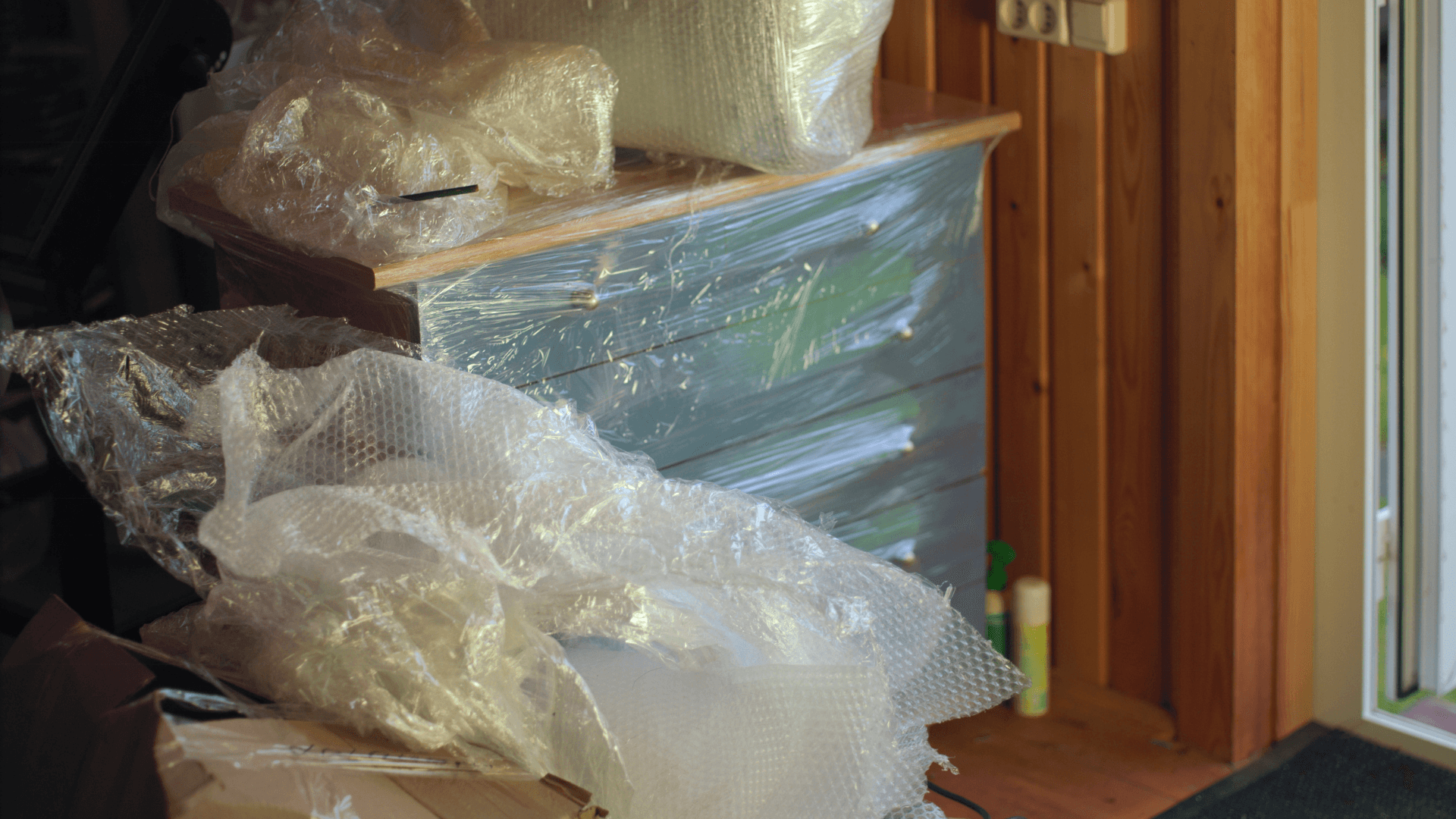
Moving large furniture across the country
How to move heavy, bulky furniture across Canada: measuring, disassembly, wrapping, real insurance limits, and when to hire pros. From MTS Moving crews.
Learn more

Director, MTS Moving
Mete Kalfa is the Director of MTS Moving and a second-generation long-distance relocation expert. Specializing in inter-provincial moves across Ontario, Alberta, and British Columbia, he leverages decades of family legacy and active Canadian Association of Movers (CAM) membership to provide transparent insights that protect consumers from industry scams.