
Should You Hire Movers to Pack for You? A Mover's Honest Take

Published Updated 5 min read

On this page
Quick answer: Hiring movers to pack for you is worth it when you are short on time, moving long distance, or shipping fragile and high-value items — professional packing is faster, better protected, and, critically, keeps the carrier on the hook if something breaks. Expect roughly $50–$90 per hour per packer in Canada plus materials. If you have weeks of runway and mostly non-fragile goods, a smart middle path is to pack the easy stuff yourself and pay pros only for the kitchen, electronics, and art.
I am Mete Kalfa, director at MTS Moving & Storage and a second-generation long-distance mover based in Mississauga. My family has been loading trucks in this business my whole life, and “should we pay you to pack, or do it ourselves?” is one of the most common questions we get on quote calls. This post gives you the honest version — real numbers, the one insurance rule most people miss, and the cases where I tell customers to do it themselves.

The insurance rule most people don’t know about
This is the single most important thing on the page, so it goes first.
When a mover packs a box, we take responsibility for what happens inside it. When you pack a box, the industry marks it PBO — “Packed By Owner” — and the mover is generally not liable for damage to the contents unless the outside of the box is visibly crushed. If your carefully wrapped stemware arrives in shards but the carton looks fine, that is on you, not the carrier (Canadian Association of Movers on liability).
That distinction changes the math. Even with good coverage, valuation only pays out on what the mover packed:
- Basic released value across the industry is just $0.60 per pound ($1.32/kg) per article — so a damaged 100 lb dresser pays out $60 even if it costs $1,000 to replace.
- Replacement Value Protection must be at least $10.00 per pound of shipment weight, which is the coverage worth buying for a long-distance move (CAM, liability).
So the real question isn’t only “convenience vs. cost.” It’s: for the items you truly can’t afford to lose, do you want them covered? If yes, a pro needs to pack those cartons. As a CAM member, that is the rule we hold ourselves to.
What professional packing actually costs in Canada
Here is the part the sales pages skip: there is no useful Canada-wide flat rate for professional packing. A responsible packing quote separates labour from materials and is built from the actual inventory, the number of packers required, the home’s access and the proportion of fragile or specialty items.
- Why it changes the quote
- More cartons and furniture require more packing time
- Why it changes the quote
- Artwork, glass, electronics and antiques need additional materials and handling
- Why it changes the quote
- A larger crew finishes faster but changes the hourly labour total
- Why it changes the quote
- Dish packs, wardrobe cartons, paper, wrap and custom crating are separate line items
- Why it changes the quote
- Packing only the kitchen and fragile rooms costs less than packing the entire home
Ask for an itemized estimate that shows the crew, expected hours, included materials and any custom-crating work. If you source some standard boxes yourself, confirm their strength and dimensions with the mover before assuming they will reduce the final cost.
Full pack, partial pack, or DIY — a decision rule
- What I’d do
- Full pack. Speed and carrier liability both matter here.
- What I’d do
- Partial pack. You box the books, clothes, and linens; pros handle the kitchen, electronics, art, and mirrors.
- What I’d do
- DIY. Save the money, accept the PBO liability trade-off.
Partial (hybrid) packing is the option most people underuse. Packing the non-fragile 70% of a home yourself and paying pros only for the breakables can cut packing cost meaningfully while still keeping your valuable items under carrier liability. It is the sweet spot for a lot of the moves we quote.
The honest downsides of hiring packers: it costs more than doing it yourself, you need to be home while strangers handle your things, and pros pack fast — if you haven’t decluttered first, you’ll pay to box up items you meant to donate. Declutter before the crew arrives, always.
Why professional packing matters more for a long-distance move
For a local move, your boxes spend an hour or two in the truck. For an interprovincial move — Ontario to British Columbia, Alberta to Quebec — they spend days on the road, get loaded and unloaded more than once, and absorb constant highway vibration. That is exactly when a weakly packed box fails. We pack cross-Canada corridors for that reality: proper cushioning, full box-fill so nothing shifts, and dish packs for the kitchen. It is the difference between a box surviving the first few kilometres and surviving the whole journey.
How far in advance should you start packing?
Whether you hire packers or not, start early. A full home takes about 6–8 weeks to work through calmly. Here’s the short version — for the full countdown, see the ultimate moving checklist and what to pack first and last.
- Focus
- Declutter first, then gather supplies and box up non-essentials (seasonal clothing, decor, rarely used gear).
- Focus
- Pack books, hobby gear, and other low-use items. Label every box by room and contents.
- Focus
- Pack everyday items you can live without; build an essentials box (toiletries, a few days of clothes, documents).
- Focus
- Finish everything but the essentials. Confirm the date and any special instructions with your mover.
- Focus
- Keep the essentials box accessible. Final room-by-room walkthrough, then clean.
If you hire full-service packers, they compress that final stretch — the crew handles the bulk in the last day or two, which is the main reason people book it.
Ready to decide?
Here’s how one recent MTS customer described the packing side of their move:
“They were extremely helpful with packing everything carefully and loading the truck efficiently. The whole team was friendly, professional, and handled everything with great care. They made a stressful moving process much easier.” — Shankar M, 5-star Google review
That reflects our track record — 4.9 stars from 741 Google reviews, plus listings on Yelp, HomeStars, and the BBB in Mississauga. If you want a straight answer on whether full, partial, or DIY packing makes sense for your move, tell us what you’re shipping and where, and we’ll price it honestly. Reach us at +1 (888) 322-1968.
Related guides
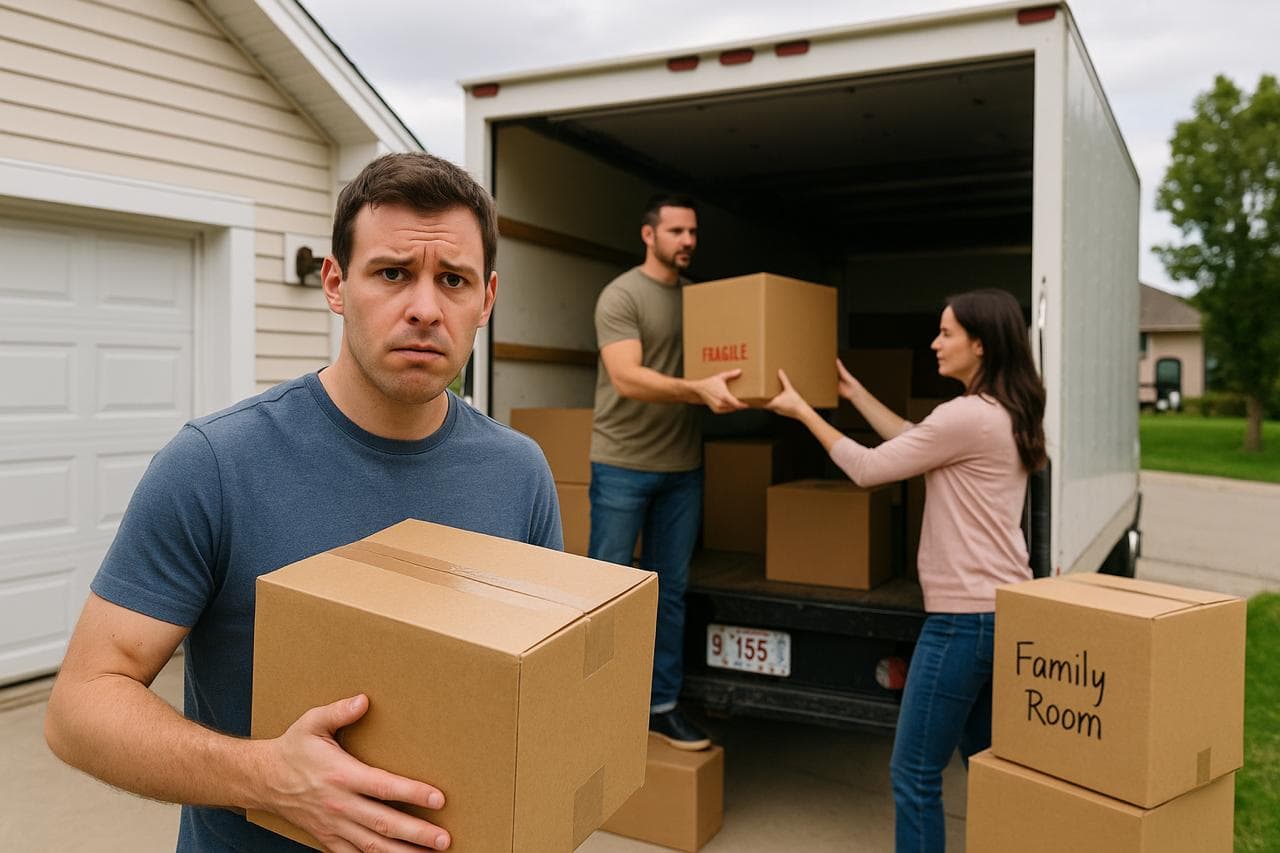
Can You Move Yourself Long Distance in Canada?
Planning a DIY long-distance move in Canada? See the real cost of truck rental, fuel, hotels, coverage and lost time before you book a U-Haul.
Learn more
What to Pack First and Last When Moving
A long-distance mover's room-by-room order for what to pack first and last, plus a first-night box list that keeps essentials within reach on arrival.
Learn more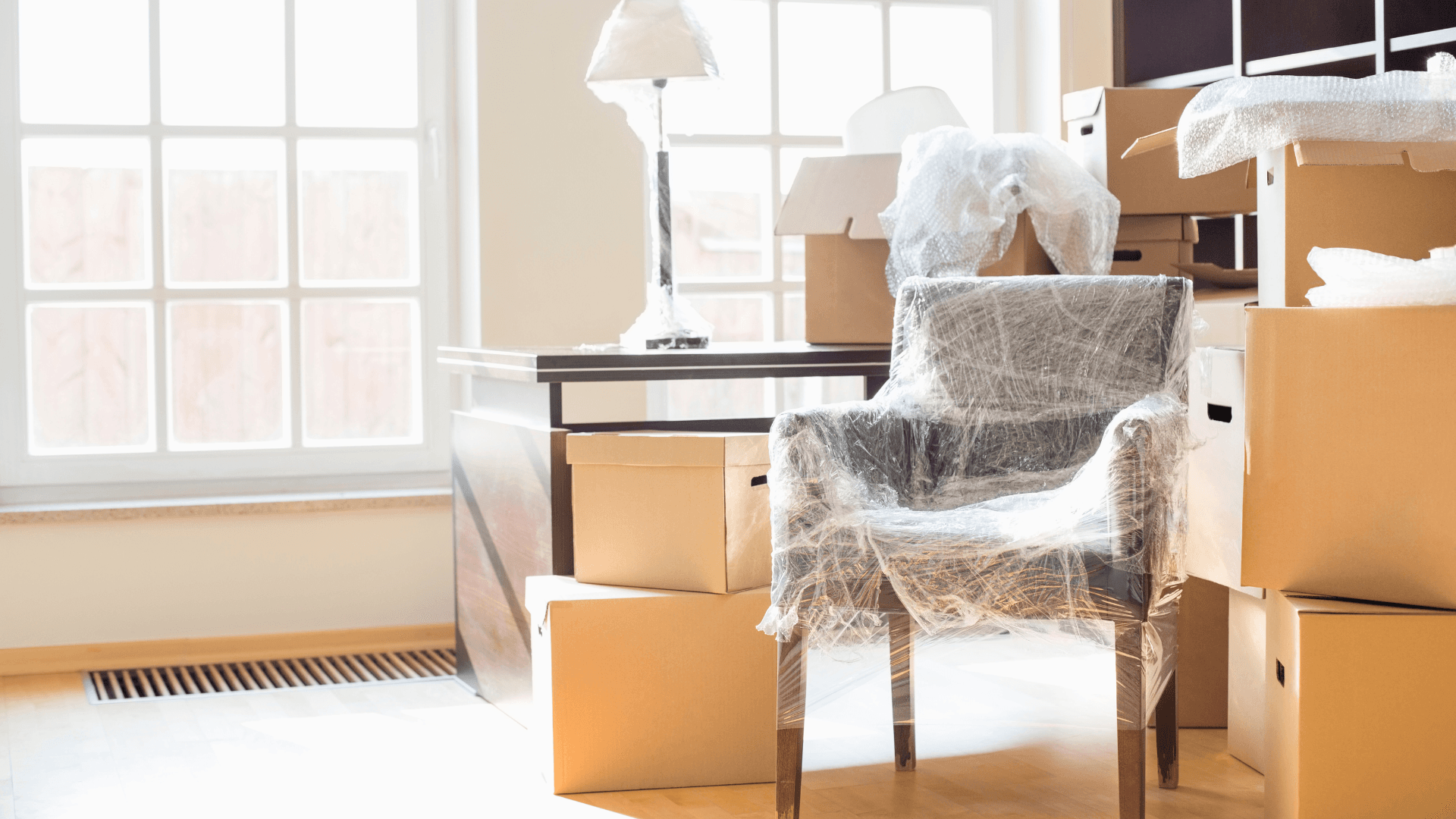
The Right Packaging Materials for a Long-Distance Move
A Canadian mover's guide to packaging materials for a long-distance move: which boxes and wraps to buy, what they cost, and when reused boxes are fine.
Learn more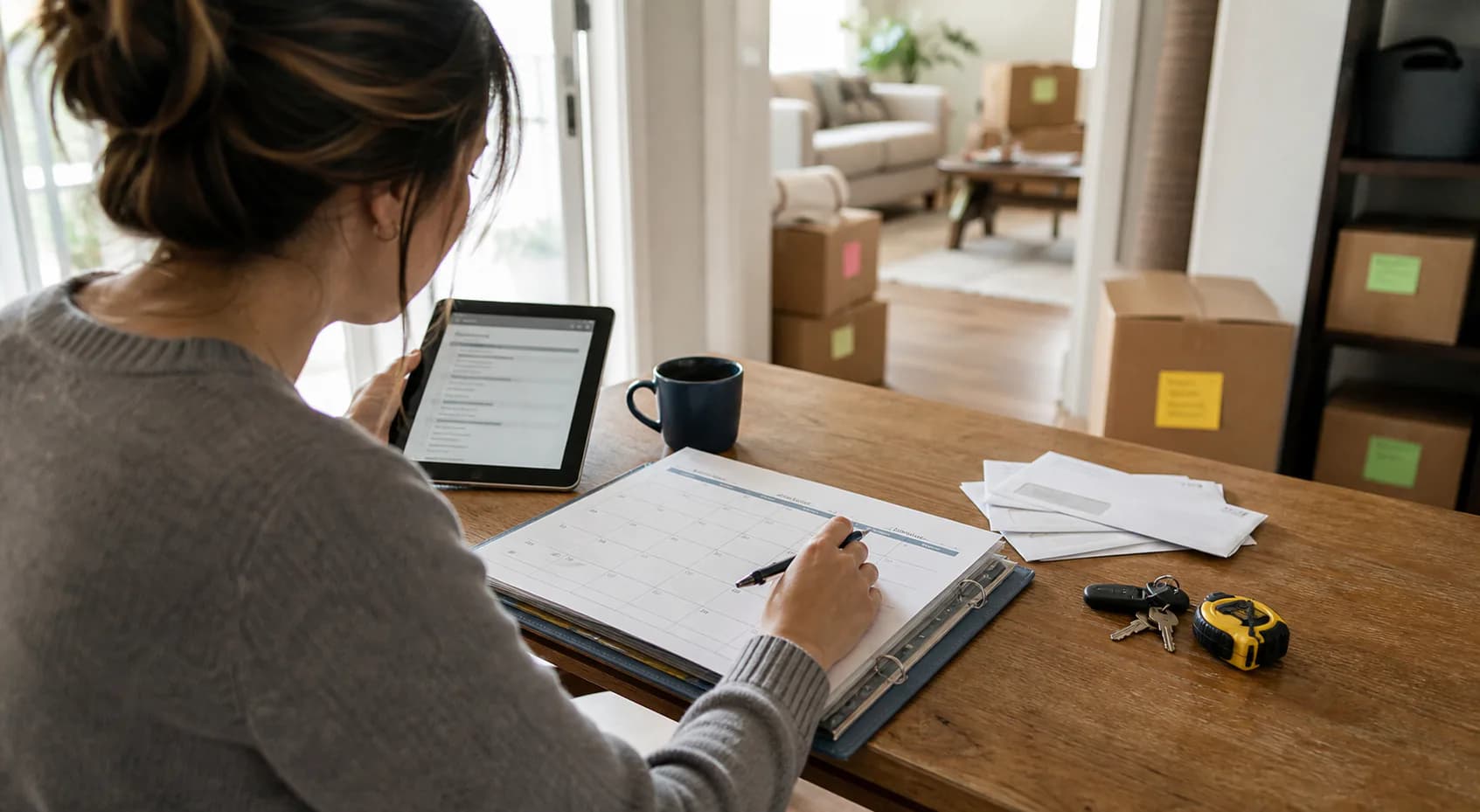
The Ultimate Moving Checklist
A movers 8-week long-distance moving checklist for Canada: how to vet a mover, read an estimate, choose valuation coverage, and pack week by week.
Learn more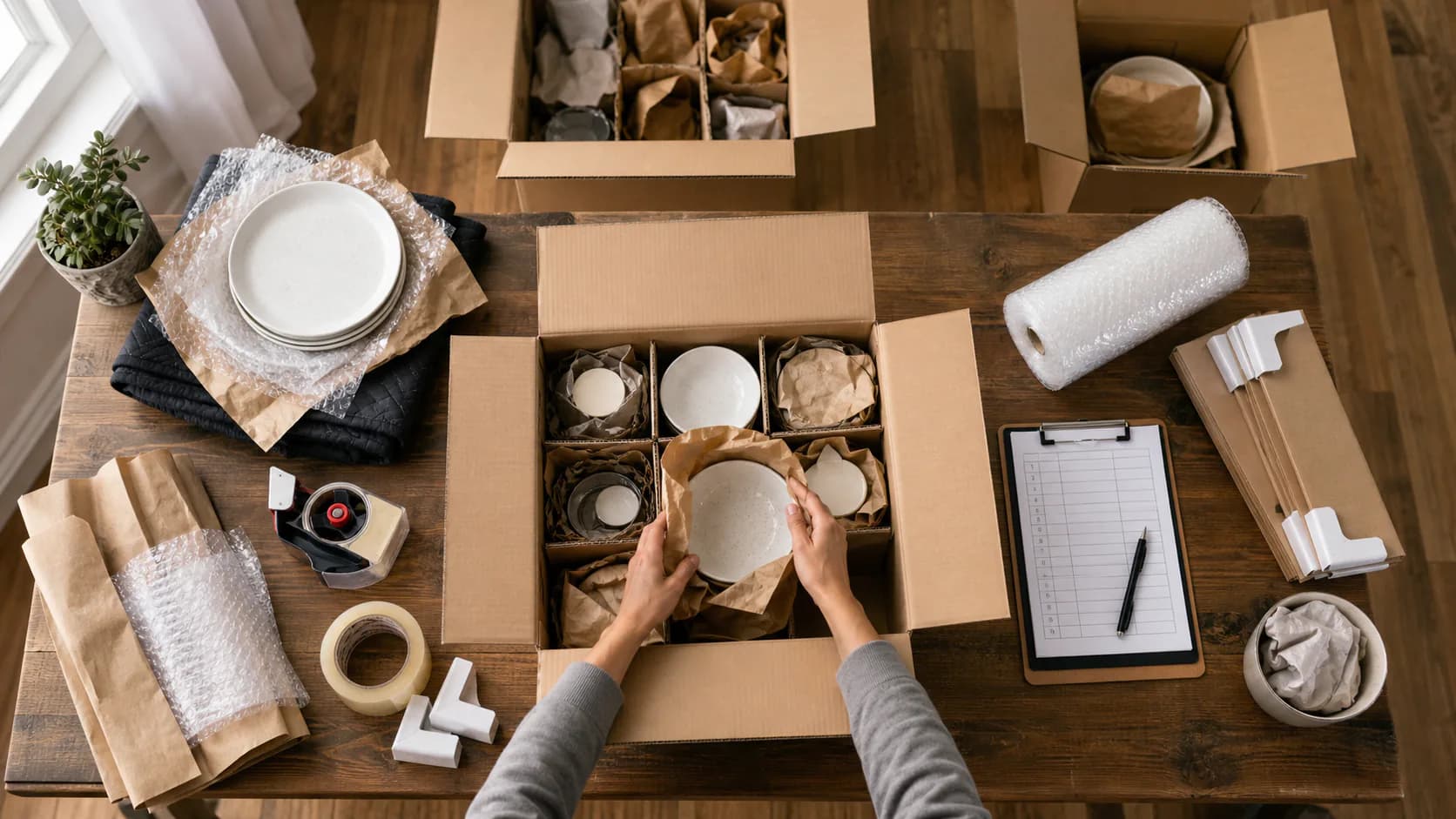
10 Genius Packing Hacks for an Effortless Move
Packing hacks from long-distance movers: weight caps, fragile-proofing for highway transit, a labelling system that survives handoffs, and the trade-offs.
Learn more
Director, MTS Moving
Mete Kalfa is the Director of MTS Moving and a second-generation long-distance relocation expert. Specializing in inter-provincial moves across Ontario, Alberta, and British Columbia, he leverages decades of family legacy and active Canadian Association of Movers (CAM) membership to provide transparent insights that protect consumers from industry scams.