
How to Unpack After a Long-Distance Move: A Mover's Room-by-Room Guide

Published Updated 8 min read
On this page
- What is different about unpacking after a long-distance move?
- What should you unpack first after a move?
- How do you unpack room by room?
- Bedrooms: sleep first
- Kitchen: function before full
- Bathroom: rebuild the daily routine
- Living room: place the heavy pieces, hold the décor
- Home office: last, not least
- What should you do with the empty boxes and clutter?
- How long does unpacking take after a long-distance move?
- Should you hire packers and unpackers?
Quick answer: Before you unpack anything, check every carton off your inventory sheet and photograph any transit damage while the crew is still on site — for a long-distance move in Canada you generally have about 60 days to file a loss-or-damage claim. Then unpack room by room, starting with the beds and a labelled essentials box, and break down boxes as you go.
I’m Mete Kalfa, director of MTS Moving & Storage and a second-generation long-distance mover based in Mississauga. Our crews unload interprovincial shipments across Ontario, Alberta, British Columbia, and Quebec every week, and the households that settle in fastest all do the same thing: they treat the first hour after the truck arrives differently from the rest of the unpack. This guide walks through that first hour, then the room-by-room order we actually recommend to the families we deliver to.
What is different about unpacking after a long-distance move?
A long-distance move is not just a bigger local move. Your belongings may have been in transit for several days — sometimes with a stop in storage-in-transit — and they have travelled through changing temperatures, humidity, and road conditions between provinces. That changes your first priorities the moment the truck arrives. Before you reach for the kitchen boxes, you need to confirm everything made it and that nothing was damaged along the way.
At MTS, every carton is numbered and listed on your inventory (the bill of lading). For interprovincial moves this isn’t optional housekeeping — provincial transportation regulations require an inventory before your goods are transported, and a copy is yours to keep. Use it:
- Inspect against the inventory as the truck unloads. Tick each numbered item off the sheet as it comes off the truck. The Government of Canada’s own moving advice says to check off each item and note any changes or damage while contents are being unloaded — this is the easiest moment to catch a missing carton, while the crew is still there.
- Document transit damage immediately. Photograph dents, scratches, water marks, or crushed boxes before you open them, and note them on the delivery paperwork. This matters because the claim window is short: for long-distance moves in Canada, claims often must be made within 60 days of delivery (30 days for local moves), and the exact deadline is set in your mover’s tariff. Do not wait until you have finished settling in.
- Know what your basic coverage is worth. Unless you bought added protection, the default “released value” coverage across Canada is limited to $0.60 per pound ($1.32 per kg) per article, per the Canadian Association of Movers. A 40-lb box of electronics is covered for about $24 under that basic tier — one reason we walk clients through Replacement Value Protection before the move, not after something breaks.
- Reconcile missing cartons before signing off. If a numbered box isn’t accounted for, flag it on the delivery paperwork on the spot rather than discovering it days later.
- Let climate-sensitive items acclimatize. Electronics, vinyl records, candles, artwork, and musical instruments can be affected by long stretches in a hot or cold trailer. Let electronics return to room temperature before powering them on, and check these items early.
Working through this checklist on arrival is the single biggest thing separating a smooth unpack from a stressful one — and it’s the part generic unpacking advice skips entirely.
What should you unpack first after a move?
Not everything needs to come out of a box on day one. Make a short priority list before you start, and let the truck do some of the sorting for you: if boxes were labelled by destination room, our crews place them in the right room on the way in, so you’re not dragging kitchen boxes out of the primary bedroom later.
The order we recommend to every household:
- Your essentials box — toiletries, medications, phone and laptop chargers, a few dishes, a kettle or coffee maker, and one change of clothes per person. This is the box you pack last and open first; keep it in the car, not the truck.
- The beds. After a delivery day, a made bed matters more than a stocked pantry. Reassembling bed frames is usually the last thing our crews do before they leave — take them up on it while the tools are out.
- The bathroom — shower curtain, towels, toilet paper, and the toiletries from your essentials box.
- The kitchen — enough to make coffee and one meal, not the entire pantry.
Everything else can wait. Trying to unpack the whole house in 24 hours is how people burn out on day two.
How do you unpack room by room?
Working one room to completion beats opening a little of everything — a finished room gives you somewhere calm to retreat to while the rest is still in boxes. Here’s the order and the specifics that matter after a long-haul move.
Bedrooms: sleep first
Set up bed frames and mattresses, then make the beds with the linens from your essentials box. Only then unpack clothes and the closet. If you have kids, do their rooms in the same first pass — a familiar bed and a box of their own toys does more to settle a household than any other single task.
Kitchen: function before full
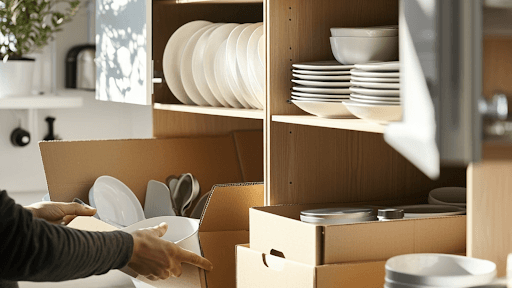
Unpack the coffee maker, kettle, a few plates, and the utensils you’ll use tonight, then stop. Fill out the cabinets over the following days, putting daily-use items at eye level and rarely-used ones up high. Check any appliances that rode in the truck for transit dents before you plug them in.
Bathroom: rebuild the daily routine
Hang the shower curtain, put out towels and bath mats, and place shampoo, soap, and toothpaste where you’ll reach for them. A working bathroom on night one is worth more than a decorated living room.
Living room: place the heavy pieces, hold the décor
This is where our crews earn their keep: sofas, sectionals, wall units, and media consoles get positioned before we leave, so you’re not shoving a three-seater across the floor alone. Get the big furniture and the TV placed, then live in the room for a few days before you commit to hanging art — window light and traffic flow look different once you’re actually using the space.
Home office: last, not least
If you work from home, set the desk and chair where the light is good, then unpack the computer and monitor and route the cables. It doesn’t need to be finished on day one — but getting it functional early means you can go back to work without living out of a box.
What should you do with the empty boxes and clutter?
Two jobs happen alongside the unpack, not after it.
- Break boxes down as you empty them. Flattened cartons pile up fast; leaving them whole turns hallways into an obstacle course. Ask your mover whether they take packing materials back — at MTS we handle junk removal, so cardboard, paper, and the odd unwanted item can leave with us rather than filling your new garage.
- Decide as you unpack, not later. The move is the one moment you’re handling every object you own. If something doesn’t fit the new place or hasn’t been used in a year, set it aside to donate or recycle now — re-boxing it “for later” just means moving it twice. For anything you’re keeping but can’t place yet, a short stint in secure storage beats cramming it into a closet you’ll have to redo.
How long does unpacking take after a long-distance move?
There’s no single deadline — pace yourself and work in phases. Essentials first, then the rooms you use most, and finally the décor and storage spaces. Use this as a guide, not a rule:
- Focus
- Inspect the delivery against the inventory, document any transit damage, reassemble and make the beds, open the essentials box.
- Focus
- Unpack bedrooms, bathroom, and kitchen so daily routines work; get the home office functional if you work from home.
- Focus
- Arrange the living room, hang artwork, finish storage areas, break down the last boxes, and donate anything you no longer need.
The single hard deadline in that table is in the first row: the transit-damage claim window. Everything else is flexible. If a box is still taped shut after a month, it’s usually a sign of something you could have donated on day one.
Should you hire packers and unpackers?
For a local move, most people manage the unpack themselves. Over a long distance — especially with a tight move-in date, a family, or a home office that has to be running Monday — the calculation changes. A crew that packed your goods knows how they’re numbered and where they belong, which is why full-service packing and unpacking turns a multi-week unpack into a couple of days. If you’d rather do it yourself, that’s a legitimate choice too — just build the inventory check and the claim window into your plan.
Related guides
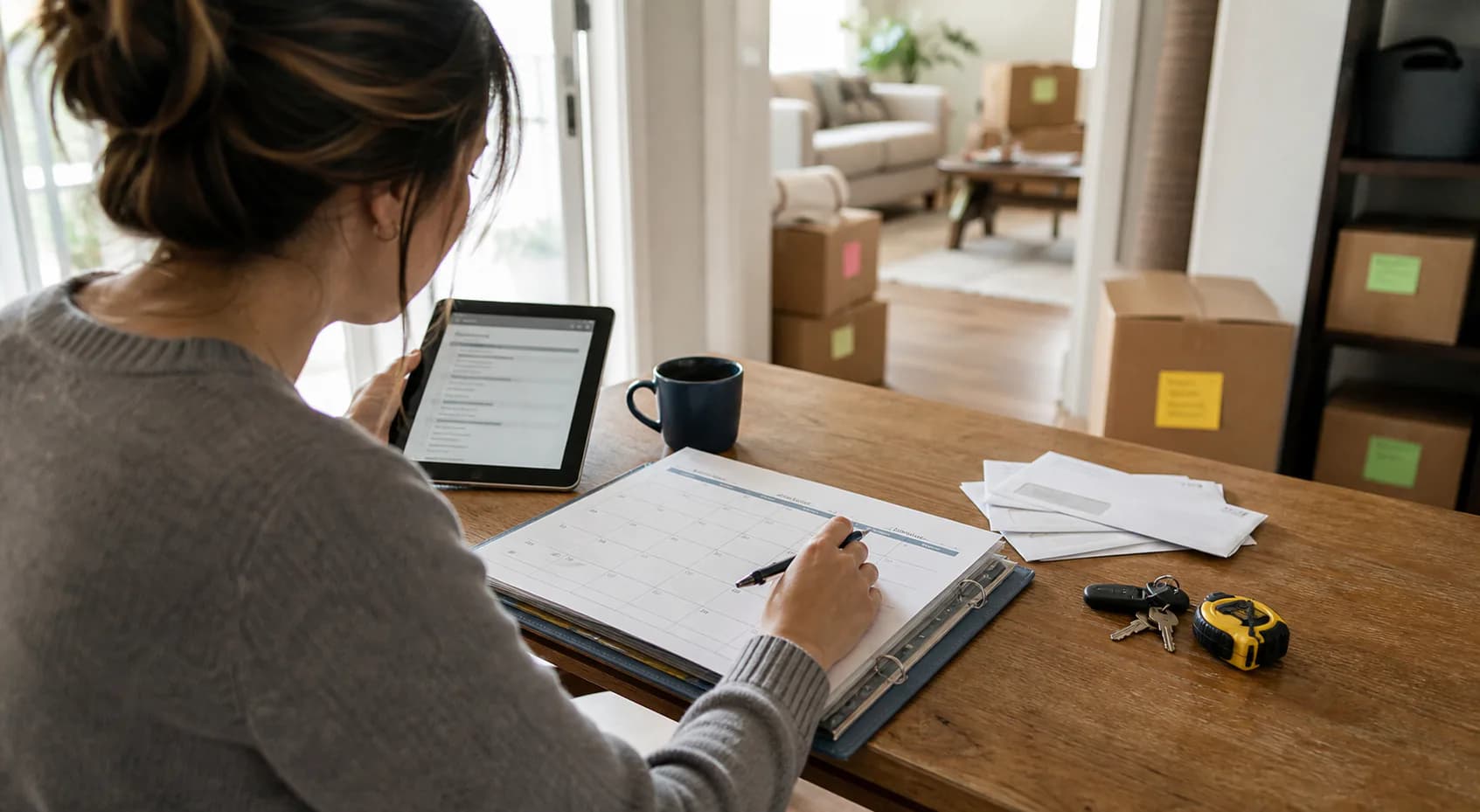
The ultimate moving checklist
A movers 8-week long-distance moving checklist for Canada: how to vet a mover, read an estimate, choose valuation coverage, and pack week by week.
Learn more
How to avoid moving-day chaos
How to plan a long distance move: a mover-written 7-day countdown covering inventory, valuation coverage, estimates, parking and what to keep with you.
Learn more
Mastering moving day
Moving day tips from a second-generation Canadian mover: the morning-of timeline, how to direct the crew, sign the bill of lading, and tip right.
Learn more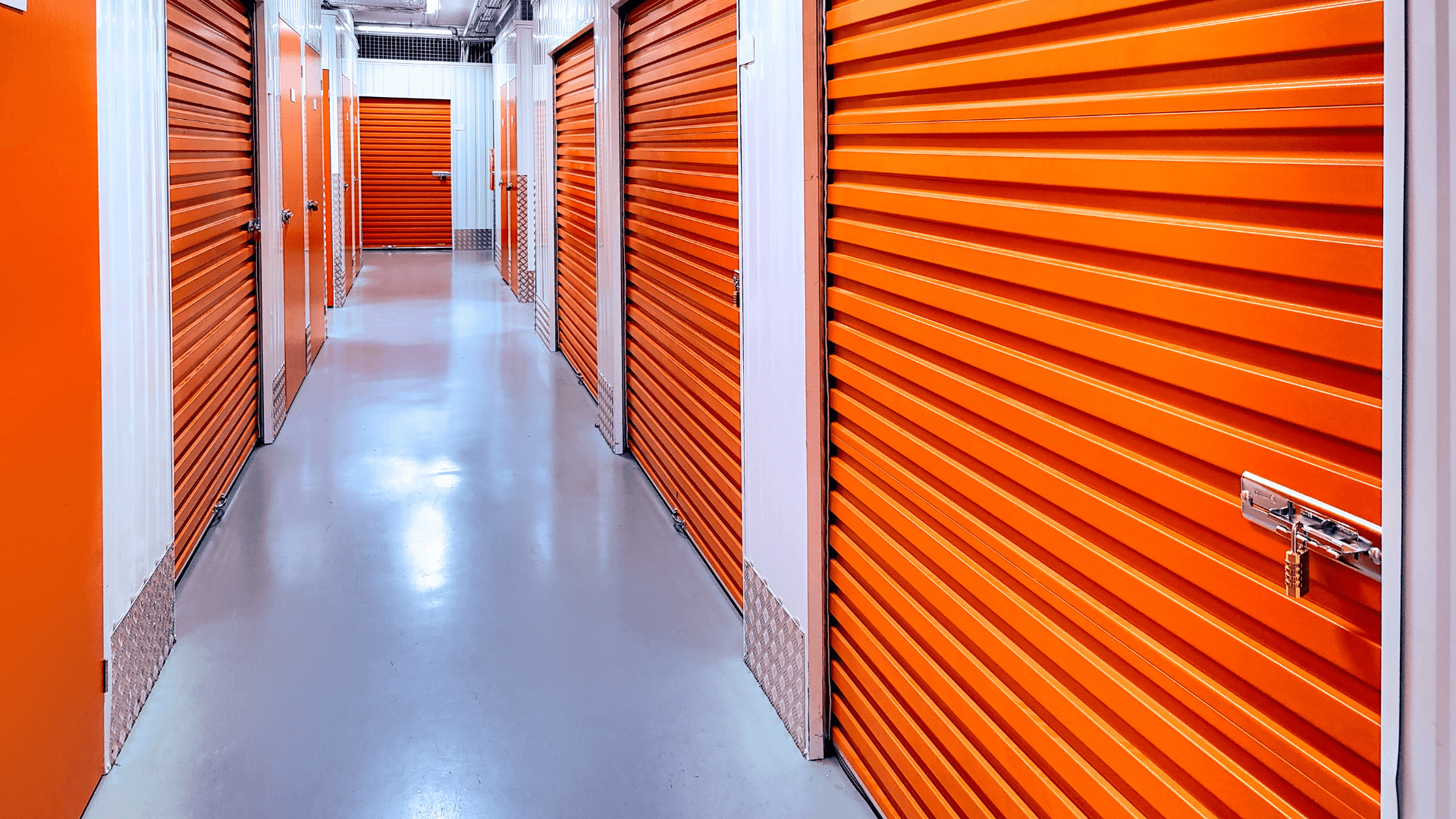
Choosing the right storage for your move
How to choose the right storage for a move: unit size, climate control, monthly costs in Canada, and when storage-in-transit beats renting a locker.
Learn more
Why hire professional movers to pack
Should you hire movers to pack for you? A Canadian mover breaks down real costs, the owner-packed insurance trap, and when to DIY instead.
Learn more
Director, MTS Moving
Mete Kalfa is the Director of MTS Moving and a second-generation long-distance relocation expert. Specializing in inter-provincial moves across Ontario, Alberta, and British Columbia, he leverages decades of family legacy and active Canadian Association of Movers (CAM) membership to provide transparent insights that protect consumers from industry scams.