
How to Make Your New Home Cozy This Fall (After a Long-Distance Move)

Published Updated 7 min read
On this page
- What should you unpack first for a cozy first night?
- How do you protect furniture and textiles that arrive in cold weather?
- Get the heat and utilities running before the truck arrives
- A fall maintenance checklist for your new home
- Warm colours, textures, and lighting that make a home feel cozy
- Common fall move-in mistakes we see
Quick answer: To make a new home cozy after a fall move, get the heat and utilities running before the truck arrives, unpack a “first-night” box so you have warmth and comfort on night one, let wood furniture and textiles acclimate before you rearrange them, then work through a short fall maintenance checklist (furnace, gutters, drafts, CO alarms) so the house is warm and safe before the first frost.
I’m Mete Kalfa, Director of MTS Moving & Storage. We’re a second-generation Canadian long-distance mover based in Mississauga, a member of the Canadian Association of Movers, and we’ve earned 4.9 stars from 741 Google reviews largely on interprovincial moves — a lot of them in autumn. Fall is one of our busiest seasons, because families time their move to land before the school year settles and before winter closes the highways. That means our crews walk into a lot of half-heated new homes in October. This guide is the advice we actually give those families: the practical, weather-driven steps that make a new house feel like home when it’s cold and damp outside — not a generic décor listicle.
What should you unpack first for a cozy first night?
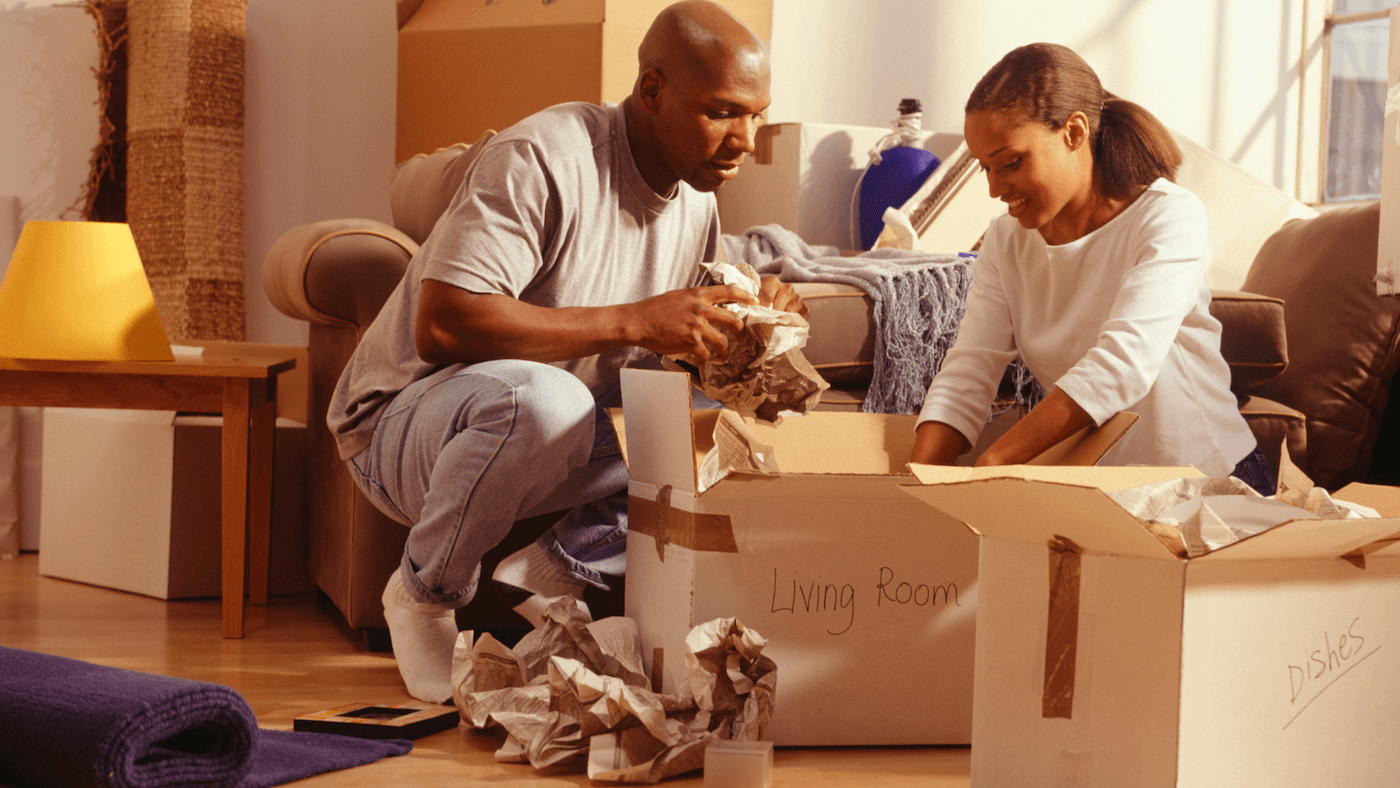
The single biggest comfort win after a long-distance move is refusing to unpack the whole truck on day one. You can’t. What you can do is set up the three rooms you’ll actually use that first night: the bed, a warm spot to sit, and enough of the kitchen to make a hot drink.
Before the truck ever leaves the origin, we tell customers to pack one clearly marked first-night box and keep it with them, not on the trailer. In our experience the boxes that make a new house livable on night one hold:
- Bedding and pillows for every bed, plus one extra warm blanket per person
- A kettle or coffee maker, a few mugs, and whatever makes your morning coffee or tea
- Phone chargers, a power bar, and a small lamp (overhead lighting is often the last thing people find switches for)
- Toiletries, medications, and a change of clothes each
- Basic tools and a box cutter — the one thing everyone buries and then needs immediately
Once that’s handled, set up the bedroom and one living space before you touch décor. A made bed with warm linens and a single lamp does more for the “am I home yet” feeling than any amount of unpacking the garage. For the full room-by-room order, see our guide on unpacking after a long-distance move.
How do you protect furniture and textiles that arrive in cold weather?
This is the part almost every fall décor article skips, and it’s where a mover can actually help you. Furniture that has spent a day or two in a cold, sometimes damp trailer needs to come to room temperature before you fuss over it.
- Let solid wood acclimate. Wood expands and contracts with temperature and humidity. Bringing a cold dining table straight into a heated 21°C room and immediately placing hot dishes or heavy décor on it invites cracking and finish problems. Give it a day in the room before you load it up.
- Watch for condensation. When a cold item meets warm indoor air, moisture condenses on the surface — the same reason a cold glass sweats. Wipe down anything metal, glass, or lacquered, and don’t stack damp-feeling boxes against fabric furniture.
- Don’t rush to unwrap upholstery and mattresses. If a sofa or mattress comes off the truck feeling cold and slightly damp from the outside air, let it sit unwrapped in a heated room for a few hours before you put linens or throws on it, so you’re not sealing moisture in.
- Store what won’t fit yet, properly. Fall move-ins often mean the new place isn’t fully ready — a room being painted, a closet not built. Rather than piling boxes in a cold garage where they’ll absorb damp, this is exactly what secure storage and storage-in-transit are for.
Get the heat and utilities running before the truck arrives
The coziest décor in the world can’t compete with a house that’s 12°C when you walk in. Confirm the utility transfer well before move-in day, and if the furnace hasn’t been touched in a while, get it looked at.
Natural Resources Canada notes that about 61% of the energy used in the average Canadian home goes to heating, so a furnace that’s running badly is both a comfort problem and a bill problem. NRCan’s own guidance is that oil-fired furnaces and boilers need annual cleaning and tuning, while natural gas and propane furnaces should be serviced at least every two years. If you don’t have the previous owner’s service records, book an inspection before the cold sets in.
Just as important: carbon monoxide alarms. In Ontario, a CO alarm is required in any home with a fuel-burning appliance, a fireplace, or an attached garage — and as of January 1, 2026, alarms must be adjacent to each sleeping area and on every storey of the home, including storeys without bedrooms. Test what’s there, replace batteries, and add alarms where they’re missing before you fire up the furnace for the season. It’s the first thing to check in a new-to-you home.
A fall maintenance checklist for your new home
Moving in is also the moment to protect the house itself before winter. New owners who skip this walk into avoidable — and expensive — winter surprises. Here’s the short version:
- When to do it
- Before the first frost
- Why it matters
- Prevents water damage and winter ice dams
- When to do it
- Early fall
- Why it matters
- Catches loose or damaged shingles before costly repairs
- When to do it
- Before freezing temperatures
- Why it matters
- Prevents frozen, burst pipes
- When to do it
- Early fall
- Why it matters
- Keeps heating safe and efficient (see above)
- When to do it
- Start of heating season
- Why it matters
- Improves air quality, lowers energy use
- When to do it
- Every fall
- Why it matters
- Required by law in Ontario; keeps you safe over winter
- When to do it
- Before cold weather
- Why it matters
- Reduces drafts and heat loss
- When to do it
- Before first snow
- Why it matters
- Protects patio sets from freeze damage
A few of these deserve a note when you’ve just moved in and don’t yet know the house:
- Find the main water shut-off first. Before you winterize a single faucet, know where the shut-off is. In a new home you don’t want to be hunting for it during a burst-pipe emergency in January.
- Seal the drafts you can feel. On a windy fall evening, walk the house and feel around windows and exterior doors. Caulking and weatherstripping are the cheapest comfort upgrade there is, and since heating dominates your energy bill, sealing leaks pays back fast.
- Check the attic insulation. New owners rarely think to look. Ten minutes with a flashlight tells you whether you’re heating the outdoors all winter.
- If there’s a fireplace, don’t light it yet. Have the chimney inspected and cleaned first. A creosote-lined flue in an unfamiliar house is a real fire risk.
For everything that happens before this stage — the packing, timing, and logistics of a fall relocation — see our essential tips for moving in the fall.
Warm colours, textures, and lighting that make a home feel cozy
With the practical work done, this is where the house actually starts to feel like yours. You don’t need to buy much — most of the effect comes from what you already own, arranged for the season.
- Cooler-season swap
- Burnt orange, deep red, rich brown
- Cooler-season swap
- Wool, flannel, and knit over lighter summer materials
- Cooler-season swap
- Warm-toned bulbs and lamps over harsh overhead white
- Cooler-season swap
- Warm linens and layers
Two things matter more than the rest. Lighting is the fastest change: swapping to warm-toned bulbs and using a couple of lamps instead of the bright overhead fixture instantly softens a room, and it costs almost nothing. Layered textures — a rug underfoot, throws over the sofa, heavier bedding — add the physical warmth that makes a cold-climate home feel welcoming. If you set up one comfortable corner with a chair, a throw, and a lamp early on, you’ll have somewhere to actually rest while the rest of the unpacking drags on.
Common fall move-in mistakes we see
After enough autumn moves, the same avoidable problems come up:
- Leaving utilities to move-in day. The transfer doesn’t always happen on schedule. Confirm heat and power are on a few days ahead.
- Unpacking everything cold. Rushing to unwrap and arrange furniture the moment it’s off a cold truck, before it’s acclimated, is how finishes and mattresses get damaged.
- Storing boxes in an unheated garage “for now.” Fall damp gets into cardboard and fabric fast. Keep boxes in the heated house or in proper storage.
- Assuming the previous owner did the maintenance. New owners inherit whatever was neglected. Treat the fall checklist above as day-one work, not something for next year.
Get those right and the cozy part takes care of itself. If you’re still planning the move that gets you here, we handle packing, interprovincial transport, secure storage, and white-glove delivery across Ontario, Alberta, British Columbia, and Quebec — and we’re happy to talk through the timing.
Related guides
Essential tips for moving in the fall
Fall moving tips from a Canadian long-distance mover: off-peak savings, first-snow timing by corridor, packing for multi-day transit, and how to book right.
Learn more
How to unpack after a long-distance move
How to unpack after a long-distance move: check your inventory, document transit damage in time, and work room by room. Field-tested advice from MTS crews.
Learn more
Winter long-distance moving tips
Winter long distance moving tips from a second-gen Canadian mover: off-season savings, weatherproofing a load, winter-tire rules, and route-status tools.
Learn more
Exploring your new neighbourhood
How to settle into a new Canadian neighbourhood after a long-distance move, from the first-week admin deadlines to finding your footing on foot.
Learn more
Director, MTS Moving
Mete Kalfa is the Director of MTS Moving and a second-generation long-distance relocation expert. Specializing in inter-provincial moves across Ontario, Alberta, and British Columbia, he leverages decades of family legacy and active Canadian Association of Movers (CAM) membership to provide transparent insights that protect consumers from industry scams.